
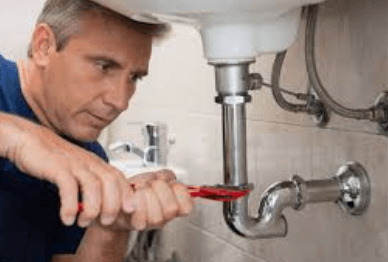
Maintaining plumbing systems demands a disciplined, data-driven approach. Assess baseline performance: pressure, flow, leaks, corrosion, and drainage speed. Document anomalies and track seasonal shifts to inform repairs. Establish a routine aligned with climate and usage, including inspections, flushing, and pressure testing. Surprising findings or persistent issues trigger targeted fixes or professional evaluation. The plan remains actionable only with clear diagnostics and transparent records, prompting a careful continuation to resolve underlying causes.
Identify Your Plumbing System’s Health Now
Assessing a plumbing system’s health involves a structured inventory of performance indicators, including water pressure consistency, drainage speed, and the absence of leaks or corrosion.
The analysis emphasizes identifying corrosion and tracing pipe leaks, documenting anomaly patterns, and prioritizing remedial actions.
Objective metrics guide decision-making, enabling timely maintenance without excess disruption, while preserving system reliability and long-term freedom from unexpected failures.
Build a Seasonal Maintenance Routine
Seasonal maintenance of a plumbing system requires a structured, repeatable protocol anchored to climate and usage patterns. A documented schedule aligns inspections, flushing, and pressure checks with seasonal demands. Consider pipe materials when selecting inspection techniques and component replacements; assess water hardness impacts on scale buildup and valve wear. Record findings for trend analysis, enabling proactive interventions and sustained system reliability.
DIY Fixes You Can Safely Tackle
Practical, low-risk repairs can be executed by homeowners when proper procedure and safety precautions are observed; this section outlines fixes that reduce disruption to a plumbing system without specialized tools or licensing. DIY fixes focus on drain clogging troubleshooting, re-sealing minor leaks, and simple component checks.
Emphasis remains on water heater safety, routine valve testing, and clear drain clearance procedures for reliability.
See also: The Rise of Full-Stack Development
When to Call a Pro and What to Expect
When should a professional be engaged, and what should a homeowner expect during the process?
A pro should be summoned for persistent, inaccessible, or escalating issues, including suspected leaks or pressure anomalies.
Expect a structured workflow: diagnostic steps, ultra specific leak detection, noninvasive inspections, and a documented plan.
Maintain a professional inspection cadence, with candid findings and cost estimates for remediation.
Conclusion
The conclusion alludes to a quiet river, its bed a map of channels carved by time and pressure. Like a measured hydrologist, the observer notes flow, sediment, and leaks, translating data into action. Seasonal cycles, recorded metrics, and prudent DIY fixes form the river’s rhythm, while the moment a hidden fault appears—routines adjusted, a professional summoned—cements reliability. In this disciplined vale, the plumbing system endures, its health reflected in steadiness rather than spectacle.
